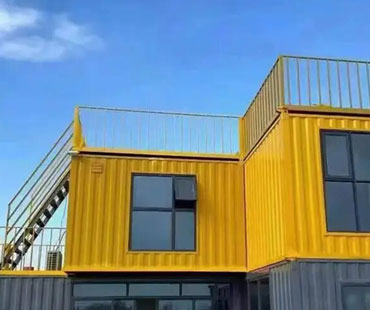
In the modern era of architecture and construction,container houses have emerged as a flexible, sustainable, and cost-effective alternative to traditional building methods. One of the most compelling advantages of container homes is theirportability and scalability—the ability to relocate structures, expand living or working spaces, and adapt to new functional requirements. This unique combination of features makes container housing an ideal solution for residential, commercial, and emergency-use scenarios. In this article, we explore the key aspects, benefits, and applications of portable and scalable container houses.
1. Portability: Relocating Homes and Workspaces
The standardized size and structure of shipping containers allow for easy transportation using trucks, trains, or ships. This portability offers numerous advantages:
Flexible Location Choice: Container houses can be installed in urban areas, remote landscapes, or temporary sites where traditional construction would be impractical or costly.
Ease of Relocation: Families, businesses, or institutions can move their container homes to a new site without the need for complete reconstruction, providing long-term flexibility.
Temporary Solutions: Containers are ideal for temporary offices, classrooms, disaster relief shelters, and pop-up retail spaces. When the need for the space ends, the units can be easily moved elsewhere.
Portability ensures that container houses are not bound to a single location, which is particularly valuable for industries and individuals with changing spatial requirements.
2. Scalability: Expanding Living and Functional Spaces
Another major advantage of container homes is theirmodular and scalable design. Each container serves as an individual module that can be combined in multiple configurations:
Horizontal Expansion: Containers can be placed side by side to increase floor space, creating larger living rooms, offices, or commercial areas.
Vertical Expansion: Containers can be stacked to form multi-story structures, making them suitable for multi-family residences or office complexes.
Functional Diversity: Different containers can be assigned distinct functions, such as bedrooms, kitchens, bathrooms, storage, or workspaces. The modular nature allows users to expand or reconfigure spaces according to changing needs.
This scalability enables phased construction, allowing homeowners or developers to invest gradually while adapting the structure over time.
3. Functional Upgrades: Adapting to Changing Needs
Container houses are not only easy to move and expand but also highly adaptable tofunctional upgrades:
Interior Modifications: Partition walls, flooring, and interior layouts can be modified to accommodate new lifestyles or business needs.
Utility Integration: Electrical, plumbing, HVAC, and other systems can be upgraded or reconfigured modularly, ensuring modern comfort standards are maintained.
Design Flexibility: Windows, doors, facades, and roofs can be customized to enhance aesthetics or environmental performance, allowing the structure to evolve with changing design trends or personal preferences.
This adaptability ensures that container homes remain functional and relevant even as household composition, business models, or site conditions change.
4. Applications of Portable and Scalable Container Houses
Residential Use
Start Small, Expand Later: Individuals or families can begin with a single container and add additional modules as needs grow.
Mobile Homes and Vacation Units: Container homes can be relocated to different locations seasonally or for leisure purposes.
Commercial and Office Use
Pop-Up Shops and Cafés: Businesses can deploy temporary retail spaces or cafés in high-traffic areas and relocate them as needed.
Construction and Industrial Sites: Temporary offices, break rooms, or storage spaces can be set up quickly and later moved to new projects.
Emergency and Social Infrastructure
Disaster Relief Housing: Containers provide rapid-deployment shelters that can be relocated to affected areas.
Educational or Healthcare Facilities: Modular classrooms or clinics can be quickly set up and expanded according to demand, ensuring rapid service delivery.
5. Technical Considerations for Relocation and Expansion
To ensure safe portability and scalability, certain technical aspects are critical:
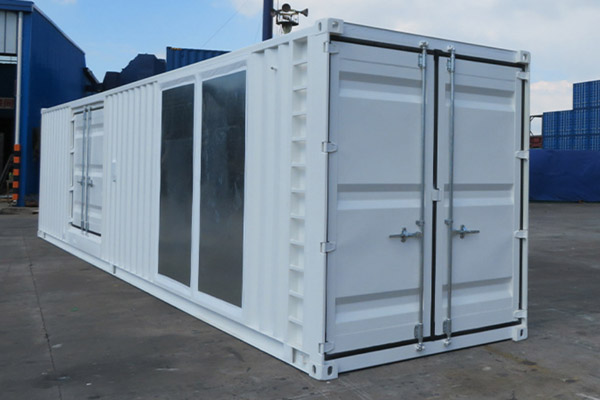
Standardized Container Sizes: Utilizing 20- and 40-foot containers simplifies stacking, transportation, and integration.
Structural Integrity: Reinforced steel frames and quality welding ensure that containers maintain stability during movement and after expansion.
Modular Connection Systems: Secure joining mechanisms allow multiple containers to form unified structures safely.
Foundation Solutions: Flexible foundation types, such as concrete slabs or adjustable piers, allow for easy relocation while maintaining stability.
Attention to these details guarantees that container houses remain durable and functional across multiple relocations and expansions.
6. Benefits of Portable and Scalable Container Housing
Cost Efficiency: Reduced construction time and modular upgrades lower long-term investment costs.
Time Savings: Prefabricated containers can be assembled on-site quickly, significantly shortening the project timeline.
Sustainability: Recycling existing shipping containers reduces material waste and environmental impact.
Flexibility: The combination of portability, scalability, and functional upgrades ensures the structure evolves with user needs.
Portable and scalable container houses represent a revolutionary approach to modern construction. Their ability to be relocated, expanded, and functionally upgraded provides unmatched flexibility for a wide range of applications, from private residences to commercial projects and emergency shelters. By embracing modular design principles, container homes allow users to respond quickly to changing demands, optimize costs, and maintain functional and aesthetic quality over time. As urbanization, mobility, and sustainability become increasingly important, container housing offers a practical, adaptable, and forward-looking solution for contemporary living and work environments.