Container logistics has become the backbone of global trade and supply chain operations. From shipping goods across continents to moving products efficiently within a country, containers offer standardized, secure, and cost-effective solutions for transporting goods. However, managing container logistics involves more than simply moving boxes. Effective logistics management requires careful planning, operational oversight, and strict adherence to safety protocols. This article explores the principles of container logistics management, key operational practices, and safety precautions essential for businesses and logistics providers.
1. Understanding Container Logistics
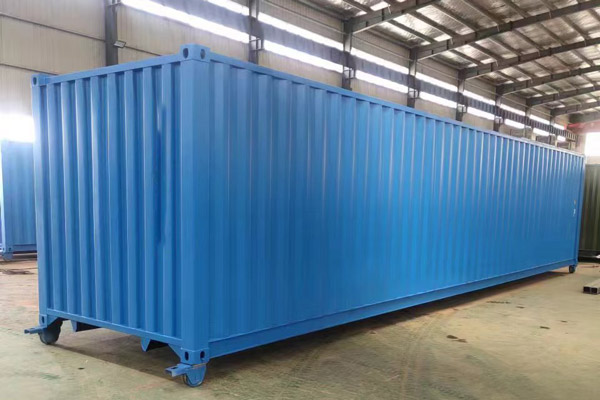
Container logistics refers to theplanning, execution, and monitoring of cargo transportation using standardized containers. These containers, usually made of steel, are designed for intermodal transport, meaning they can be easily transferred between ships, trucks, and trains without unloading the cargo itself.
#Key Features of Container Logistics:
Standardization: Containers come in standard sizes, such as 20-foot (TEU) and 40-foot (FEU), facilitating efficient handling and storage.
Security: Containers protect goods from environmental damage, theft, and contamination.
Efficiency: Intermodal transport reduces handling times and lowers labor costs.
Versatility: Containers can transport various goods, including dry cargo, refrigerated products, liquids, and hazardous materials.
Understanding these features allows companies to optimize their supply chains and reduce operational risks.
2. Core Components of Container Logistics Management
Effective container logistics management requires coordination across multiple stages, from shipment planning to delivery. The following are essential components:
-2.1 Planning and Scheduling
Route Optimization: Choosing the fastest and most cost-effective route considering transit time, fuel costs, and customs regulations.
Load Planning: Calculating container capacity, weight distribution, and cargo compatibility to prevent overloading or damage.
Scheduling: Coordinating departure and arrival times to align with port availability, trucking schedules, and warehouse operations.
-2.2 Documentation and Compliance
Shipping Documentation: Bills of lading, invoices, packing lists, and container inspection reports must be accurate and complete.
Regulatory Compliance: Adhering to customs regulations, international shipping standards, and safety requirements for hazardous or perishable goods.
Tracking and Reporting: Implementing real-time tracking systems to monitor container locations and conditions throughout the supply chain.
-2.3 Handling and Storage
Container Loading: Properly loading and securing cargo inside the container to prevent shifting during transit.
Storage Management: Efficient yard management at ports and warehouses, including container stacking, inspection, and maintenance.
Equipment Use: Utilizing cranes, forklifts, and straddle carriers safely to handle containers without damage.
3. Safety Precautions in Container Logistics
Container logistics involves significant risks, from heavy lifting operations to hazardous cargo handling. Adopting safety precautions ensures not only the protection of goods but also the safety of workers and compliance with international regulations.
-3.1 Container Inspection
Pre-shipment Inspection: Check containers for structural integrity, rust, leaks, or damages that may compromise cargo safety.
Certification Checks: Ensure containers have valid CSC (Container Safety Convention) plates and meet international standards.
Seal Verification: Use tamper-evident seals to prevent theft and verify integrity upon arrival.
-3.2 Cargo Securing
Load Distribution: Balance weight evenly to maintain container stability. Heavy items should be placed at the bottom.
Lashing and Blocking: Use straps, braces, and pallets to prevent cargo movement during transit.
Special Cargo Precautions: Refrigerated containers require temperature monitoring, while hazardous cargo must follow UN classification and segregation guidelines.
-3.3 Equipment and Handling Safety
Operator Training: Ensure forklift, crane, and truck operators are certified and trained in container handling procedures.
Safe Lifting Practices: Follow proper lifting techniques and maintain a safe distance from moving containers.
Regular Maintenance: Inspect and maintain handling equipment to prevent accidents.
-3.4 Port and Terminal Safety
Traffic Management: Implement clear pathways for trucks and equipment to prevent collisions.
Emergency Preparedness: Equip terminals with fire-fighting equipment, first-aid kits, and spill containment tools.
Worker Safety: Enforce personal protective equipment (PPE) use, including helmets, gloves, and reflective clothing.
4. Technology in Container Logistics
Modern container logistics relies heavily ondigital tools and automation to improve efficiency and safety.
-4.1 Tracking Systems
GPS and IoT devices allow real-time monitoring of container location, temperature, humidity, and shock exposure, particularly important for perishable and fragile goods.
-4.2 Warehouse Management Systems (WMS)
Software helps manage container storage, optimize yard layouts, and track container movements within warehouses and ports, reducing congestion and mishandling.
-4.3 Predictive Analytics
Using historical data, companies can predict delays, optimize routes, and proactively manage container availability, minimizing downtime and improving reliability.
5. Best Practices for Effective Container Logistics
To maximize efficiency and safety, businesses should adopt the following best practices:
-1.Standardize Processes: Develop SOPs for container inspection, loading, transport, and unloading.
-2.Regular Training: Conduct safety and operational training for all personnel handling containers.
-3.Preventive Maintenance: Schedule regular inspections of containers and handling equipment.
-4.Collaboration: Maintain strong communication between shippers, carriers, and terminals.
-5.Continuous Improvement: Monitor KPIs such as transit time, damage rate, and container utilization to optimize operations.
6. Common Challenges and Solutions
| Challenge | Solution |
| --------------------- | ---------------------------------------------------------------------------------- |
| Container shortages | Forecast demand and maintain buffer stock; collaborate with logistics partners. |
| Cargo damage | Use proper packaging, securing methods, and regular inspections. |
| Regulatory compliance | Stay updated with international shipping standards and local customs requirements. |
| Port congestion | Plan arrivals during off-peak hours; use port appointment systems. |
By addressing these challenges proactively, logistics operators can reduce delays, costs, and safety incidents.
Container logistics is a critical component of global and domestic supply chains. Effective management combinesplanning, documentation, handling, technology, and safety to ensure smooth operations. By following best practices, adhering to safety precautions, and leveraging modern digital tools, businesses canminimize risks, protect cargo, and enhance operational efficiency.
Safety precautions—from container inspection to proper securing and handling—are not optional; they safeguard both human lives and valuable goods. For companies operating in container logistics, investing in training, technology, and systematic procedures is essential to achieving reliable and sustainable logistics operations.