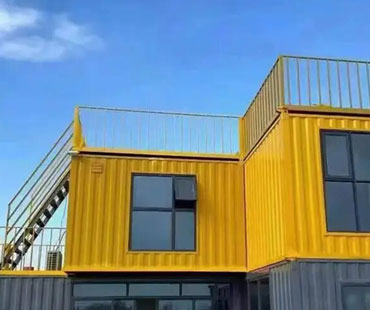
Expandable houses—also known as foldable or modular expandable homes—are gaining popularity as a flexible, cost-effective housing solution. Whether used for temporary accommodation, vacation homes, emergency housing, or even permanent residences, these structures offer a unique combination of portability and functionality. If you’re considering purchasing an expandable house, understanding its features, costs, and key decision factors is essential.
1. Key Features of Expandable Houses
One of the biggest advantages of expandable houses is their innovative design. These units are typically compact during transport and can be expanded on-site to provide significantly more living space.
a. Foldable/Expandable Structure
Expandable houses are engineered with fold-out sections that can be deployed quickly. A unit that appears small during shipping can transform into a multi-room living space within hours.
b. Modular Design
Most expandable homes are prefabricated in factories and assembled on-site. This ensures consistent quality and faster installation compared to traditional construction.
c. Portability
These houses are designed to be transported via standard shipping containers or flatbed trucks, making them ideal for remote or temporary locations.
d. Customizable Layouts
Buyers can often choose layouts such as one-bedroom, two-bedroom, or even office-style configurations. Interior finishes, kitchens, and bathrooms can also be customized.
e. Utilities Integration
Many units come pre-installed with electrical wiring, plumbing systems, insulation, and even HVAC options, allowing for immediate usability after installation.
2. Cost Breakdown
The cost of an expandable house can vary widely depending on size, materials, customization, and location.
a. Base Price
A standard expandable house typically ranges from $5,000 to $30,000+. Smaller, basic units fall on the lower end, while larger, fully equipped homes cost more.
b. Transportation Costs
Shipping the unit from the factory to your site can be a significant expense, especially for international deliveries or remote areas.
c. Installation and Setup
While expandable houses are quicker to install than traditional homes, you may still need to pay for:
Foundation preparation
Utility connections (water, electricity, sewage)
Labor (if not DIY)
d. Customization Costs
Upgrades such as better insulation, premium interiors, solar systems, or smart home features will increase the total price.
e. Ongoing Costs
Maintenance, land lease (if applicable), and utility expenses should also be considered in your long-term budget.
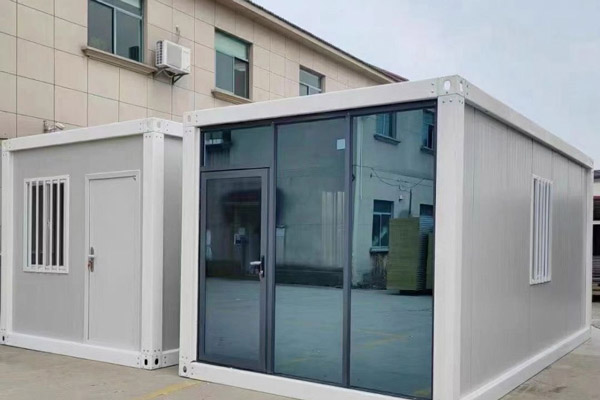
3. Key Factors to Consider Before Buying
Choosing the right expandable house involves more than just comparing prices.
a. Intended Use
Determine whether the house will be used for temporary living, rental income, office space, or permanent residence. This affects size, durability, and required features.
b. Local Regulations and Permits
Zoning laws and building codes vary by region. Some areas may restrict or regulate the use of modular or prefabricated homes. Always verify legal requirements before purchasing.
c. Material Quality
Check the materials used for the frame, walls, insulation, and roofing. High-quality materials improve durability, weather resistance, and energy efficiency.
d. Climate Suitability
Ensure the house is designed for your local climate. For example:
Cold regions require strong insulation
Hot climates need proper ventilation and cooling systems
Coastal areas need corrosion-resistant materials
e. Supplier Reliability
Choose a reputable manufacturer or supplier with verified experience, customer reviews, and after-sales support. Poor-quality suppliers can lead to structural or functional issues.
f. Expansion Mechanism and Durability
Examine how the expansion system works. It should be easy to operate, stable after deployment, and capable of repeated use without damage.
4. Advantages and Limitations
Advantages:
Quick installation
Lower cost compared to traditional housing
Mobility and flexibility
Scalable living space
Limitations:
May face regulatory restrictions
Limited size compared to traditional homes
Potential durability concerns if low-quality materials are used
Expandable houses represent a modern approach to housing that prioritizes flexibility, efficiency, and affordability. They are particularly attractive for individuals or businesses seeking quick deployment and adaptable space solutions.However, a successful purchase depends on careful planning. By evaluating features, understanding the full cost structure, and considering local regulations and long-term needs, you can make an informed decision that aligns with your lifestyle or investment goals.