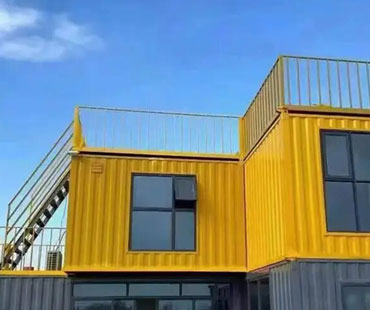
Shipping containers are widely used not only for logistics and transportation, but also for storage, construction, and container-based projects such as offices, shops, and modular housing. While purchasing a container may seem straightforward, many buyers encounter unexpected problems due to lack of experience or incomplete information. From hidden damage to unclear pricing and unsuitable specifications, small mistakes can lead to costly consequences. This article explains how to avoid common pitfalls when purchasing containers and helps you make a safe, cost-effective decision.
The first and most common mistake is buying a container without clearly defining its intended use. Containers used for international shipping must meet strict structural and certification requirements, while containers for storage or modification projects may have very different priorities. For example, if the container will be converted into a workspace or living unit, factors such as insulation, internal dimensions, and wall condition become more important than shipping certifications. Clarifying whether the container is for transport, storage, resale, or modification helps prevent buying an unsuitable unit that requires expensive rework later.
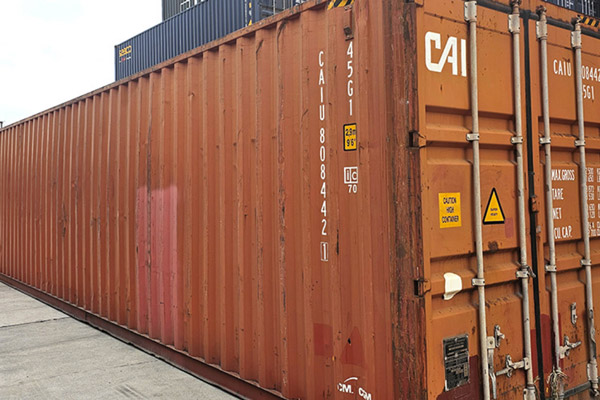
Containers are generally sold as new (one-trip), used, refurbished, or modified units. New containers are more expensive but offer the best condition and longest lifespan. Used containers are cheaper but vary greatly in quality. One major pitfall is assuming all used containers are similar. In reality, differences in age, previous cargo, corrosion level, and structural integrity can be significant. Buyers should always ask about the container’s grade, usage history, and maintenance records. If possible, inspecting the container in person or requesting detailed photos and videos can prevent unpleasant surprises.
Visual appearance alone is not enough to judge a container’s quality. Some containers may look acceptable on the outside but suffer from structural issues such as weakened frames, bent corner castings, or compromised floors. Rust is another major concern. Surface rust is usually manageable, but deep corrosion can reduce strength and lifespan. Floors should be checked carefully, especially for containers previously used to transport chemicals or heavy cargo. Soft spots, stains, or unusual odors may indicate damage or contamination that is costly to fix.
A frequent oversight is assuming all containers of the same size have identical dimensions. In reality, internal height, door opening size, and floor thickness can vary depending on the container type. For example, high-cube containers offer extra internal height, which can be crucial for storage or conversion projects. Buyers should confirm exact external and internal dimensions, maximum payload, and weight limits before purchasing. Failing to do so may result in containers that do not meet site restrictions, transport requirements, or project design needs.
Container prices can vary significantly depending on location, condition, and market demand. A low upfront price may seem attractive, but it often excludes essential costs such as delivery, unloading, taxes, or repairs. Buyers should request a detailed quotation that clearly lists what is included and what is not. Transportation costs, in particular, can be substantial and sometimes exceed the container price itself. Understanding the full cost structure helps avoid budget overruns and ensures accurate comparisons between suppliers.
Another common pitfall is choosing a supplier based solely on price without evaluating reliability. Reputable container suppliers are transparent about container condition, provide clear documentation, and offer reasonable after-sales support. Buyers should check how long the supplier has been in business, whether they provide warranties or return policies, and how they handle disputes. Poor communication or vague answers during the inquiry stage often indicate potential problems later.
Depending on how the container will be used, there may be legal or regulatory considerations. Shipping containers used for international transport must meet CSC certification standards. Containers used for construction or commercial purposes may require local permits or modifications to comply with safety regulations. Ignoring these requirements can result in fines, delays, or forced removal. Buyers should confirm compliance early and consult local authorities if the container will be installed permanently.
Many buyers focus only on the initial purchase and overlook long-term maintenance. Containers exposed to harsh weather conditions require regular inspection, rust prevention, and repainting. If the container will be modified, proper ventilation and moisture control are essential to avoid condensation and mold issues. Choosing a container with better initial condition often reduces long-term maintenance costs and extends usable life.
Purchasing a container is an investment, and avoiding pitfalls requires careful planning, thorough inspection, and clear communication with suppliers. By understanding your purpose, choosing the right container type, verifying condition and specifications, and accounting for all costs, you can significantly reduce risks and unexpected expenses. A well-informed purchase not only saves money but also ensures that the container serves its intended function efficiently and reliably for years to come.