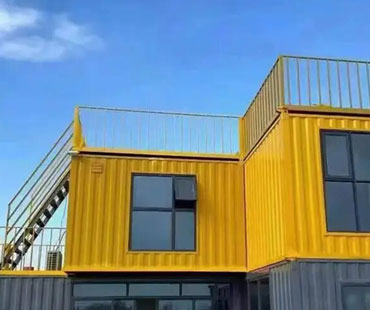
As global logistics, industrial production, and infrastructure projects continue to expand, the demand for efficient, flexible, and durable storage solutions has grown significantly. Container product solutions have become an essential choice across multiple industries due to their standardized design, strong structural performance, and wide range of specifications. With complete size options and customizable configurations, containers are able to meet diverse storage requirements in both short-term and long-term applications.
One of the key advantages of container-based storage solutions lies in their **complete range of specifications**. Standard containers are typically available in 10-foot, 20-foot, 40-foot, and high-cube formats, providing flexibility for different storage capacities and site conditions. These standardized dimensions ensure compatibility with transportation systems while allowing users to select the most appropriate size based on actual demand.
For clients with specialized needs, containers can also be customized in terms of internal layout, door structure, ventilation systems, insulation, and load-bearing capacity. This level of specification completeness enables containers to adapt to various storage scenarios, including raw materials, finished goods, equipment, tools, and temperature-sensitive products.
Containers are manufactured using high-strength steel and reinforced frameworks, offering excellent durability and resistance to external impacts. Their solid construction allows them to withstand harsh weather conditions, heavy stacking loads, and frequent handling during transportation and relocation. For storage purposes, this structural stability ensures long-term safety and protection of stored items.
Additionally, containers are designed to be weatherproof and corrosion-resistant. Proper surface treatment and coating processes help prevent rust and deterioration, making containers suitable for outdoor storage environments such as construction sites, ports, industrial parks, and logistics centers.
Container storage solutions are widely used across various industries due to their adaptability. In logistics and warehousing, containers serve as temporary or permanent storage units that can be easily transported and repositioned. In construction and engineering projects, they are commonly used to store tools, machinery, and materials close to the worksite, improving efficiency and reducing material loss.
In manufacturing and commercial operations, containers can be converted into organized storage spaces with shelving systems, lighting, and access control. Agricultural sectors also utilize containers for storing equipment, feed, and seasonal supplies, benefiting from their secure and enclosed design.
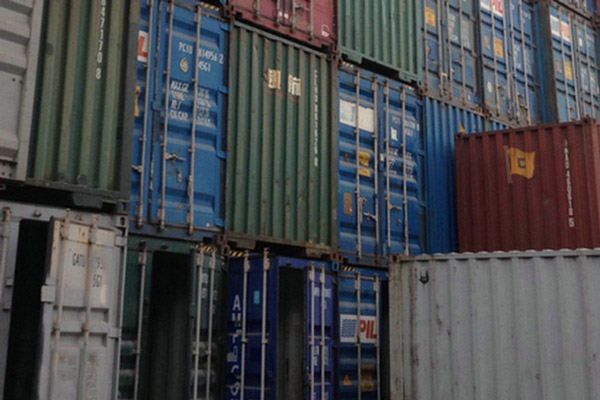
Beyond standard specifications, modern container solutions emphasize **customization and functional optimization**. Interior modifications such as partition walls, adjustable racks, reinforced flooring, and climate control systems allow containers to be tailored for specific storage requirements. For example, temperature-controlled containers can be used for pharmaceuticals, chemicals, or food-related storage, while reinforced units are suitable for heavy industrial equipment.
Security features can also be enhanced through the installation of lock systems, steel doors, monitoring interfaces, and access control options. These upgrades help protect valuable goods and ensure compliance with storage safety standards.
Compared to traditional warehouse construction, container storage solutions offer significant advantages in terms of deployment speed and cost efficiency. Containers are prefabricated units that require minimal on-site installation, allowing businesses to respond quickly to changing storage demands. This makes them especially suitable for temporary projects, seasonal storage, or rapidly expanding operations.
From a cost perspective, containers reduce the need for large capital investments in permanent infrastructure. Their reusability and mobility further enhance long-term value, as units can be relocated or repurposed as operational needs evolve.
Container product solutions also align with modern sustainability goals. By repurposing and reusing containers, businesses can reduce construction waste and minimize environmental impact. Their long service life and low maintenance requirements contribute to resource efficiency, while modular design supports scalable and responsible development.
Many container solutions are designed with energy efficiency in mind, incorporating insulation materials and ventilation systems that help regulate internal conditions without excessive energy consumption.
Container product solutions with complete specifications provide a reliable, flexible, and efficient approach to meeting a wide range of storage requirements. Their standardized yet customizable design, strong structural performance, and adaptability across industries make them a practical choice for modern storage challenges. Whether used for logistics, construction, manufacturing, or commercial applications, container-based storage offers a balance of durability, functionality, and cost-effectiveness.
By selecting container solutions that match specific storage needs and operational goals, businesses can improve space utilization, enhance security, and maintain the flexibility required in today’s fast-changing environments.